
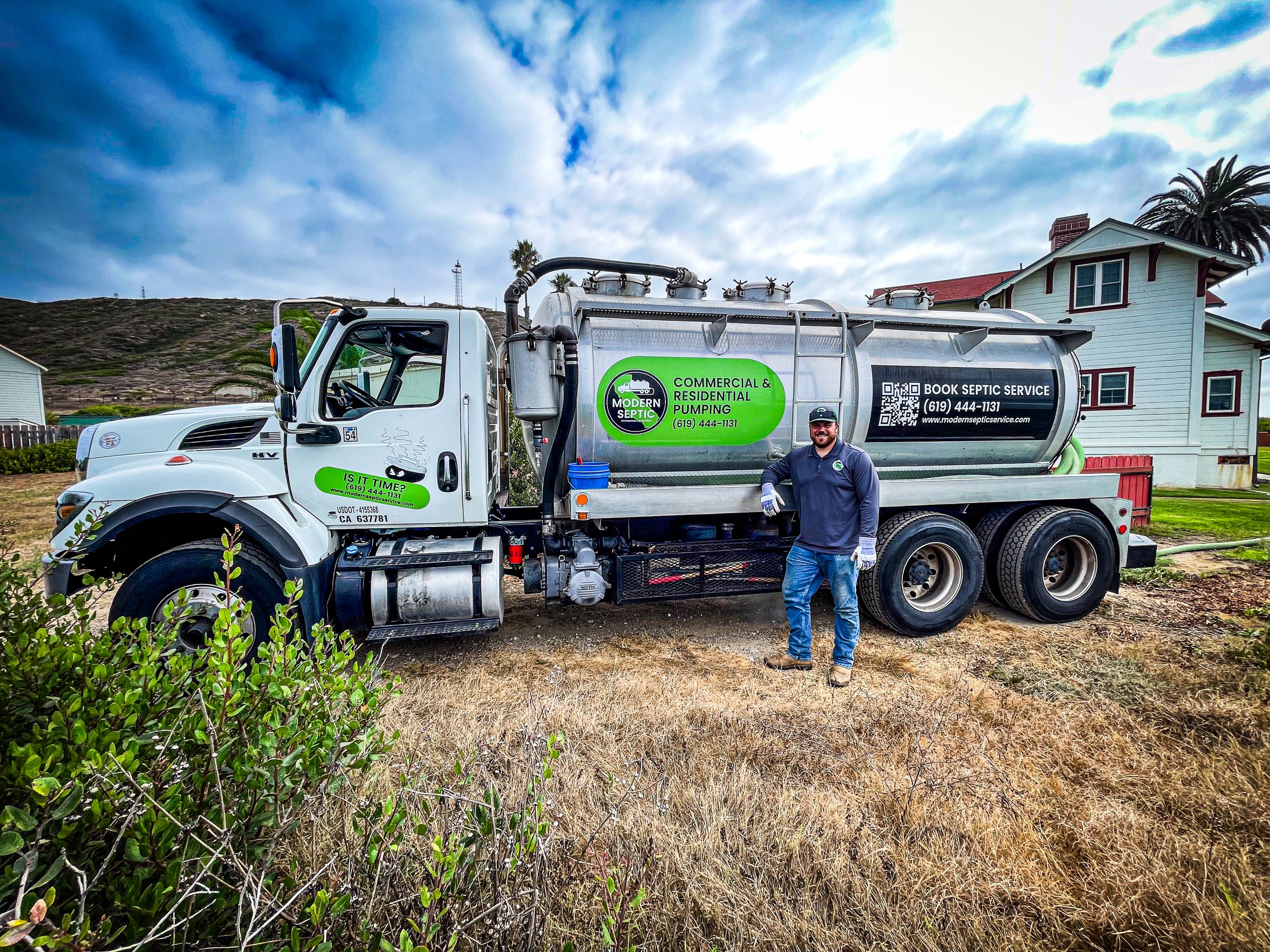
RESIDENTIAL SEPTIC TANK PUMPING AND SERVICE IN SAN DIEGO COUNTY


We offer exceptional Septic Tank Pumping Service near you. From San Diego County to La Jolla, Chula Vista, El Cajon, and many more locations, our service is incomparable. We are your best choice for septic tank pumping. With 63 years of experience, we offer a seamless, professional septic tank service. We can service any tank size and shape. Our knowledgeable team can find your septic tank with ease. READ MORE ABOUT SEPTIC PUMPING
SEPTIC TANK
PUMPING

Generally, your septic tank should be pumped every 3-5 years. If your septic tank has not been pumped regularly it can cause your home’s entire wastewater system to back up. Modern Septic Service can locate your septic tank in all conditions and remove the risk of overflowing, contaminating your home, and in some cases spreading sickness amongst your family. We have a unique skill set and technologies to find even the most hidden tanks for our customer.
LOCATING
SEPTIC TANKS

UNCOVERING SEPTIC
TANK LIDS

The standard Septic tank is between 1,000 - 1500 gallons. These are usually buried and have two lids which you need to service your septic tank. They are roughly 20 x 20 inches square, though older tanks may have bigger lids or shapes. Modern Septic will find and expose your tank lids. Don’t break a sweat let us do the hard work for you.
RISER INSTALLATION
Risers and manholes are critical components to safely service your underground septic tank. They provide safe access to your tank. It will enable maintenance, cleaning, and repair work no matter the weather conditions. Our expert team has the knowledge and skills required to meet the installation regulations and guidelines.
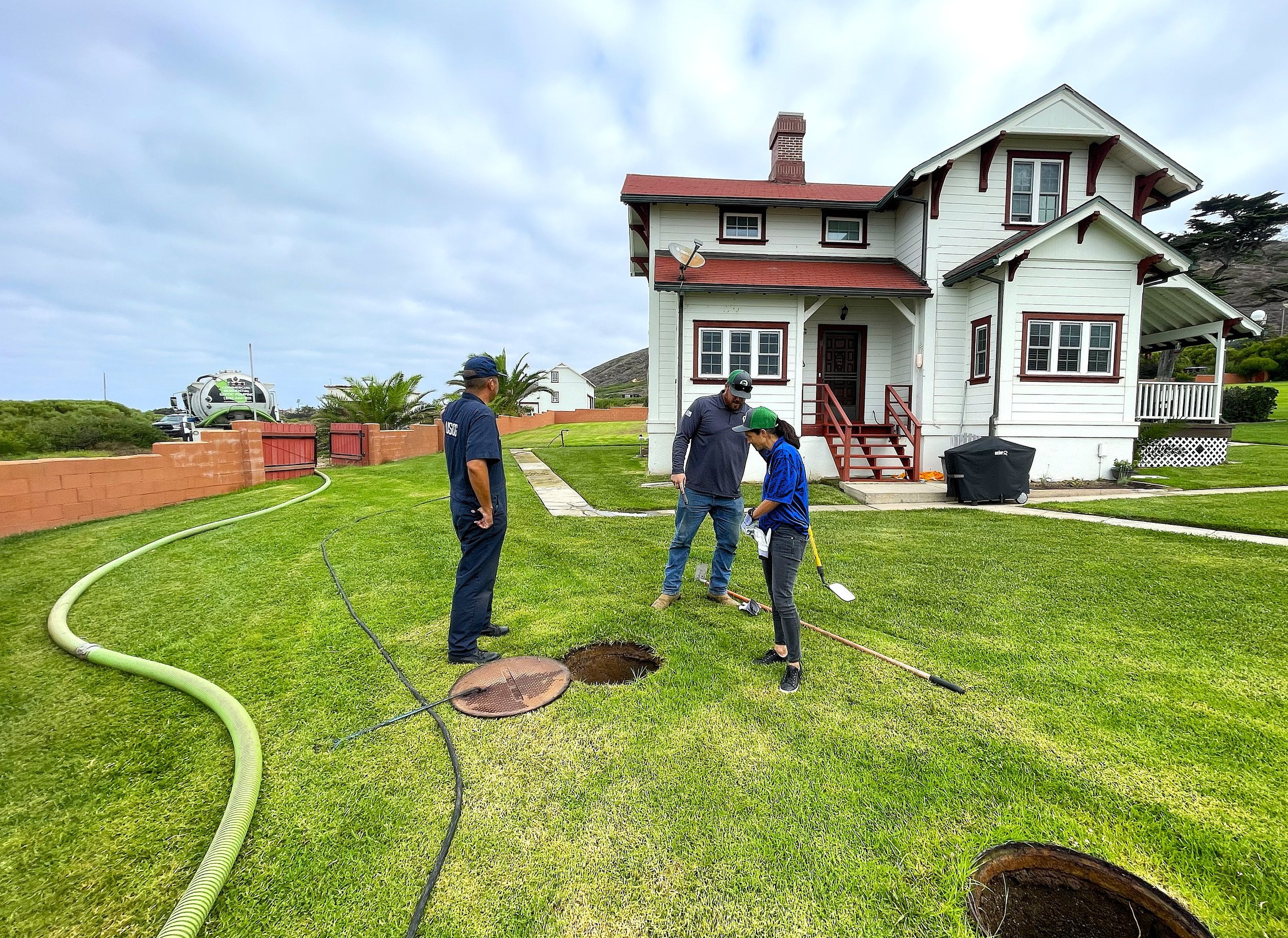
A lot of people don’t realize that a good part of the value of a house is the septic system. Certificate of Inspection, also called Septic Certificate for Real Estate, is a must when you buy or sell a home. The process will assess how healthy your septic system. It will cover inlet and outlet baffles, your separator wall, and your lids. We will identify cracks or root breaches in your tank. Test your leaching system, do a flow test, and recommend repairs if needed. Modern Septic Service offer 24 hours turn around on all our certifications. READ MORE ABOUT CERTIFICATION
CERTIFICAT
OF INSPECTION
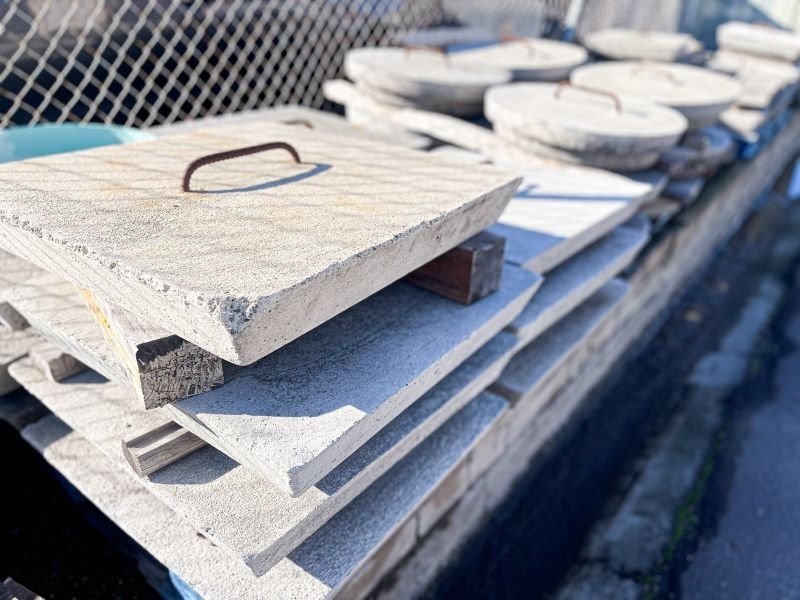
Poorly serviced septic tank lid deteriorate over time. Hydrogen sulfide gas in your septic tank starts to damage the concrete and other parts. Cracked, broken, or otherwise compromised septic tank lids are very dangerous. Adults, children, animals or pets may fall into your tank. To prevent a catastrophe, we will inspect the condition of your septic tank lid. If the septic tank lid is broken we can replace it or refer you to a septic tank professional who will be able to help.
TANK COVER
REPLACEMENT
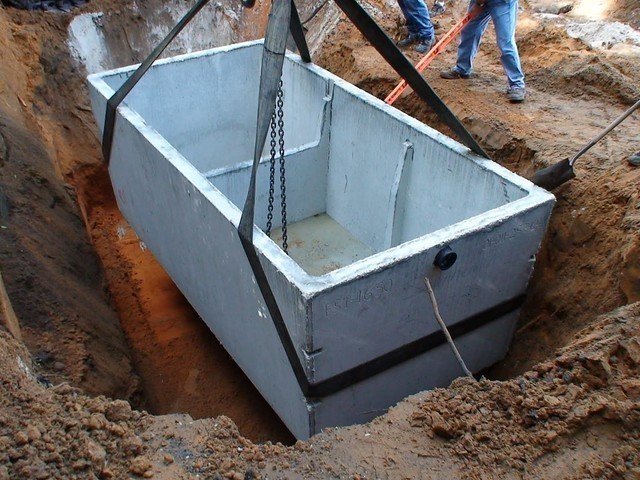
A septic system works seamlessly when they have been serviced and maintained regularly. It is crucial to check on it every 3-5 years. It will extend its life the value of your property, and maintain the health of the environment. Our team of expert has a wide range of maintenance solutions for your septic tank. We install new systems, leach lines and much more.
TANK REPAIR &
INSTALATION

Upon the septic tank pump out, our knowledgeable team performs a general inspection. The septic system should be inspected every 3-5 years, as well as when you decide to sell your property. This will enhance the home’s value, extend your septic tank life, and can help to avoid any costly repairs. We would assess the septic tank and drain field operation. Lids are present, secure, and free from cracks or excessive wear and tear. Is the baffle wall in good condition? Inlet and outlet pipes are firmly connected to the tank’s and check for root intrusion.
SEPTIC TANK
INSPECTION
SEPTIC TANK PUMPING & CLEANING IN SAN DIEGO COUNTY
Septic Tank Cleaning is one of the most important steps in maintaining a healthy and long-lasting septic system. At Modern Septic Service, we take septic tank cleaning and septic pumping seriously because we understand that a septic system is a major investment for any property owner. Regular septic tank pumping, septic system maintenance, and preventive septic service help remove accumulated sludge and scum, preventing sewage backups, drain field failures, unpleasant odors, and costly repairs. With 63 years of experience, we provide septic tank cleaning and septic pumping services throughout San Diego County. We have found that most septic system failures are caused by neglected maintenance and delayed pumping schedules. Routine septic service can significantly extend the life of your septic system, improve performance, and save thousands of dollars in future repair costs.
WHAT YOU HAVE TO CONSIDER WHEN IT COMES TO SEPTIC TANK PUMPING
Key Takeaways
Septic Tank Pumping is an essential part of septic system maintenance and helps protect your property from costly repairs and unexpected failures. In San Diego County, most residential septic tanks should be pumped every three to five years, although the ideal pumping frequency depends on household size, water usage, septic tank capacity, and the overall condition of the septic system. At Modern Septic Service, our septic pumping service includes completely emptying both compartments of your septic tank and removing all liquid effluent, sludge, and scum buildup. During the septic tank cleaning process, we inspect for debris, damaged inlet and outlet pipes, and other conditions that may affect system performance. After pumping and cleaning the septic tank, we perform a visual inspection for root intrusion, structural deterioration, and other common septic system problems. Our technicians will then review their findings with you, providing valuable information about the current condition of your septic system and recommendations to help maximize its performance, reliability, and lifespan. Regular septic tank pumping and preventive septic maintenance are the best ways to keep your septic system operating efficiently for years to come.
What Happens After Your Septic Tank Is Pumped?
After Modern Septic Service completes your septic tank cleaning and pumping service, your septic system will return to normal operation. Many homeowners are surprised to learn that a properly functioning septic tank is always full of water. Within a few days after pumping, wastewater from your home will refill the tank to its normal operating level.
The normal water level inside a septic tank is determined by the elevation of the outlet pipe leading to the leach field. As wastewater enters through the inlet pipe, the tank fills until excess liquid flows through the outlet pipe and into the drain field for final treatment. This process is a critical part of proper septic system operation.
The primary purpose of a septic tank is to separate and store solids while allowing only clarified wastewater to flow to the leach field. To accomplish this, the septic tank relies on properly functioning inlet and outlet baffles, as well as an intact baffle wall between compartments. These components help prevent floating scum, sludge, and other solids from leaving the tank and entering the leach field.
When you flush a toilet, wash dishes, or do laundry, solids enter the first compartment of the septic tank where they settle to the bottom as sludge or float to the top as scum. The baffle wall and outlet baffle ensure that only liquid effluent moves to the second compartment and eventually to the leach field. This separation process protects the drain field from premature failure.
Over time, sludge and scum accumulate inside the septic tank. If routine septic tank pumping is neglected, solids can eventually reach the outlet side of the tank and begin entering the leach field. Once solids clog the soil absorption area, expensive repairs or complete leach field replacement may be required, often costing tens of thousands of dollars.
For this reason, regular septic pumping and septic tank cleaning are among the most important forms of preventive septic system maintenance. Most residential septic tanks in San Diego County should be pumped every three to five years, although the ideal service interval depends on household size, water usage, tank capacity, and the condition of the system.
The Modern Septic Service team, after each septic pumping service, will evaluate the amount of sludge and scum present in the tank and assess the overall condition of the system. Based on these findings, we can recommend a customized pumping schedule designed to maximize the life of your septic system and help you avoid costly repairs. Following these recommendations is one of the best ways to keep your septic tank, leach field, and entire septic system operating efficiently for many years to come.
How Often Should a Septic Tank Be Pumped in San Diego County?
Residential septic tanks in San Diego County require pumping every 3 to 5 years, per industry guidelines. The exact frequency depends on the number of people in the household, the volume of water drained from dishwashers, clothes washers, toilets, sinks, and showers, the tank’s holding capacity, and the age and condition of the overall system. Higher household demand and strain on the system shorten the interval between required pumping visits.
How Household Size Affects Pumping Frequency?
A single-occupant household with a standard 1,000-gallon tank can typically extend pumping intervals toward the five-year end of the range. A household of four or more people using the same tank size reaches the sludge accumulation threshold closer to three years. Homeowners who add occupants, install water-intensive appliances, or expand the structure the system serves should shorten their pumping schedule accordingly.
Why Skipping Pumping Costs More Than the Service?
Regular septic tank pumping is essential to protect both your septic system and your property. When a septic tank is not pumped at the recommended interval, sludge and scum continue to accumulate inside the tank. As these layers become thicker, solids can begin flowing into the outlet side of the septic tank and eventually enter the leach field. Once solids reach the leach lines, they can cause blockages, soil saturation, poor drainage, sewage backups, and premature drain field failure. In many cases, repairing or replacing a damaged leach field can cost anywhere from $3,000 to $15,000 or more.
Beyond protecting the leach field, regular septic tank cleaning also helps preserve the structural integrity of the septic tank itself. As organic waste decomposes inside the tank, naturally occurring gases such as hydrogen sulfide are produced. Over time, these gases can be converted into sulfuric acid when they come into contact with moisture and bacteria above the wastewater level. Sulfuric acid is highly corrosive and can gradually attack concrete, metal, and other components of the septic system.
As corrosion progresses, homeowners may begin to experience deteriorating inlet and outlet baffles, damaged pipes, weakened compartment walls, and concrete surfaces that become rough, brittle, and unstable. In older concrete septic tanks, prolonged exposure to corrosive gases can cause the tank lid and upper walls to deteriorate, allowing pieces of concrete to break away and fall into the tank.
If left unaddressed, severe structural deterioration can create serious safety hazards. Damaged septic tank lids or weakened tank tops may eventually collapse under weight, creating a dangerous situation for homeowners, children, pets, and maintenance personnel. For this reason, routine septic inspections and septic tank pumping are important not only for system performance but also for safety.
Regular septic tank cleaning removes accumulated solids, reduces the buildup of corrosive gases, and allows septic professionals to inspect the condition of the tank before small problems become major repairs. By maintaining a regular septic pumping schedule, homeowners can extend the life of their septic system, protect their leach field, and avoid costly repairs while ensuring their septic tank continues to operate safely and efficiently for many years. Regular pumping every three to five years costs an estimated $$500-$690 per visit (2026) and eliminates the conditions that cause those repair bills.
RESIDENTIAL SEPTIC SERVICE AREA
SAN DIEGO COUNTY
WHAT TO LOOK OUT FOR WHEN IT COMES
TO SEPTIC TANK PUMP OUT?
Do you know where is your septic tank located?
Before septic tank pump out you should know your septic tank location. If you don’t know, here are some tips on how to find your septic tank.
House Plans or Records: If available, check your house plans or property records. They might indicate the septic tank's location.
As-Built Drawing: Contact the local health department or the septic system installer for an as-built drawing. It provides the exact location of the tank.
Visual Clues: Look for visual indicators such as manhole covers or inspection ports. They could be round or square lids usually made of plastic or concrete.
Follow the Plumbing: Trace the path of the main sewer line from your house to get an idea of where the tank might be buried.
Previous Service Records: If you've had the tank serviced before, the service provider might have noted the location. Review past maintenance records.
Professional Help: If you're unable to locate the tank, consider hiring a professional septic service provider. They often have tools like probes or electronic locators to find it accurately.
Do you know how to expose your septic tank lid?
Exposing your septic tank lid can be a bit of work. However, it is necessary for maintenance, septic pump out, and inspection. Here's a basic guide
Locating the Lid: Utilize the previously mentioned tips to locate your septic tank. Typically, it features 2 round or square covers made of plastic or concrete.
Gathering Tools: You'll require a shovel, a probe or metal rod, a crowbar or pry bar, a bucket, and possibly a hose.
Clearing the Area: Remove any debris or vegetation covering the lid. Be cautious not to damage nearby utilities or plumbing lines. Wear gloves and eye protection, and work cautiously to prevent injury.
Probing the Lid Edges: Gently use a probe or metal rod to outline the lid's edges. This helps determine its boundaries without causing damage.
Digging: Begin digging around the lid's edges with a shovel. Exercise caution to avoid harming the lid or any pipes.
Prying Open: After excavation around the lid, please wait for the Modern Septic Service team to arrive. We'll handle the lid opening for you.
Inspection: Be cautious after clearing the lid. Concrete and plastic lids may deteriorate over time and break under weight. Never step on them. Use a crowbar to tap the surface and check for solidity. Cease if it breaks or develops cracks. Measure the size and inform the Modern Septic Service Team to organize a lid replacement.
Securing the Dugout: Close up the excavation to prevent accidents. Ask the team to refill the hole after completing the septic tank pump-out."
Should you give instructions to the driver before arrival?
Always inform the septic tank driver about potential difficulties in accessing the septic tank on site, consider mentioning the following:
Terrain Obstacles: Describe any challenging terrain, such as steep slopes, uneven ground, or obstacles like rocks or trees that might hinder access.
Vegetation Cover: If the tank lid is obscured by dense vegetation, mention the need for clearing or trimming before accessing the lid.
Underground Utilities: Highlight the presence and location of any underground utilities or nearby pipes to prevent accidental damage during excavation.
Location Clarity: If the septic tank's exact location isn't clearly marked or known, communicate this to the driver, providing any guidance or information available to help them find it.
Access Space: Inform about limited access points, narrow pathways, or restricted space around the tank, which might impact maneuvering the pumping truck.
Lid Condition: If there are concerns about the lid's stability, such as cracks, decay, or potential fragility, alert the driver to exercise caution when working around it.
Safety Measures: Any specific safety precautions needed due to nearby hazards or conditions, like unstable ground, should also be communicated for the driver's awareness.