

#1 Septic Pumping Service in La Mesa, San Diego County

Looking for reliable septic service in Spring Valley? Modern Septic Service provides fast, professional septic pumping, septic tank cleaning, septic inspections, septic certifications, septic repairs, and emergency septic service throughout Spring Valley and surrounding communities. We proudly serve the 91941, 91942, 91943, and 91944 zip codes. Our experienced local team offers same-day septic service, competitive pricing, and 24/7 emergency septic support to keep your septic system operating safely and efficiently. Whether you need routine septic tank pumping, a septic certification for a real estate transaction, or urgent septic repairs, Modern Septic Service delivers dependable service backed by decades of experience and hundreds of 5-star Google customer reviews. When homeowners search for septic pumping near me, septic service in Spring Valley, or septic tank cleaning in Spring Valley, CA, they trust Modern Septic Service for fast, affordable, and professional solutions.
Complete Septic Services in Spring Valley!
Whether you need routine maintenance, a septic inspection for a property sale, or emergency repairs, our team offers comprehensive septic solutions tailored to your property's needs.
Our Spring Valley septic services include:
Septic Tank Cleaning
Septic Certifications
Septic System Repairs
Leach Line Repairs
Septic Tank Replacement
Emergency Septic Service
Septic System Maintenance Programs
Why Choose Modern Septic Service?
Modern Septic Service combines decades of hands-on septic experience in Spring Valley with exceptional customer service. We understand that septic issues can be stressful, which is why we focus on fast response times, clear communication, and quality workmanship on every job.
Homeowners and businesses choose us because we offer:
Same-Day Service Available
24/7 Emergency Septic Service
Competitive and Transparent Pricing
Experienced Septic Professionals
Residential and Commercial Septic Services
Fully Equipped Pump Trucks and Service Vehicles
Septic Pumping in Spring Valley, CA
Regular septic tank pumping is one of the most important steps in maintaining a healthy septic system. Over time, sludge and solids accumulate inside the septic tank. Without routine pumping, these solids can overflow into the leach field, causing backups, odors, drain field failure, and costly repairs. Most residential septic tanks should be pumped every 3 to 5 years, depending on tank size, household occupancy, and water usage habits. Our professional septic pumping service removes accumulated waste and helps extend the life of your entire septic system.
Septic Inspections & Septic Certifications
Selling a property in Spring Valley with a septic system often requires a professional septic inspection and certification. Modern Septic Service offers fast and reliable septic inspections to help homeowners, real estate agents, and buyers complete transactions with confidence. Our team can assist with inspections, pumping, repairs, documentation, and county requirements, providing a streamlined process from start to finish.
24/7 Emergency Septic Service in Spring Valley, CA
A septic backup can happen at any time. If you're experiencing sewage backups, foul odors, slow drains, wet spots around your drain field, or an overflowing septic tank, our emergency response team is available 24 hours a day, 7 days a week. We provide rapid response throughout Spring Valley and the surrounding areas to minimize damage and restore your septic system as quickly as possible.
Trusted Septic Service Near You in Spring Valley
When homeowners search for "septic pumping near me," "septic service in Spring Valley," "septic tank cleaning in Alpine," or "emergency septic service near me," they trust Modern Septic Service for dependable results, professional workmanship, and outstanding customer service. Contact Modern Septic Service today to schedule your septic pumping, inspection, certification, repair, or emergency service appointment in Spring Valley, California.
Why Spring Valley Homeowners Choose Modern Septic Service
Over 60 Years of Septic Industry Experience
250+ Five-Star Google Reviews
5-Star on Yelp
Same-Day Service Available
24/7 Emergency Septic Service
Residential & Commercial Septic Services
Licensed & Insured
Serving Spring Valley and San Diego County
Septic Service in Spring Valley, CA | Septic Pumping, Inspections & Repairs


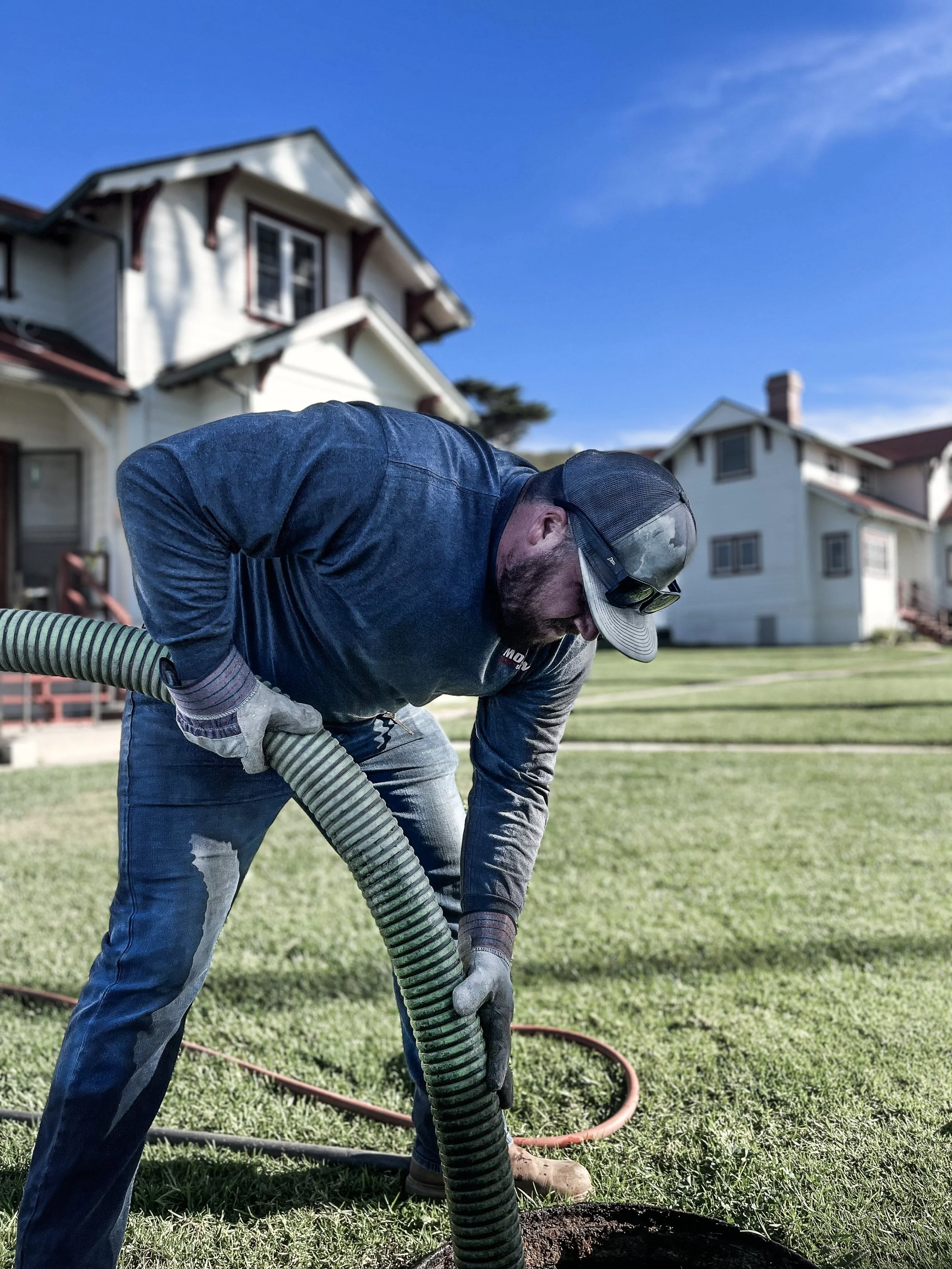
What Happens After Your Septic Tank Is Pumped?
After Modern Septic Service completes your septic tank cleaning and pumping service, your septic system will return to normal operation.Many homeowners are surprised to learn that a properly functioning septic tank is always full of water. Within a few days after pumping, wastewater from your home will refill the tank to its normal operating level.
The normal water level inside a septic tank is determined by the elevation of the outlet pipe leading to the leach field. As wastewater enters through the inlet pipe, the tank fills until excess liquid flows through the outlet pipe and into the drain field for final treatment. This process is a critical part of proper septic system operation.
The primary purpose of a septic tank is to separate and store solids while allowing only clarified wastewater to flow to the leach field. To accomplish this, the septic tank relies on properly functioning inlet and outlet baffles, as well as an intact baffle wall between compartments. These components help prevent floating scum, sludge, and other solids from leaving the tank and entering the leach field.
When you flush a toilet, wash dishes, or do laundry, solids enter the first compartment of the septic tank where they settle to the bottom as sludge or float to the top as scum. The baffle wall and outlet baffle ensure that only liquid effluent moves to the second compartment and eventually to the leach field. This separation process protects the drain field from premature failure.
Over time, sludge and scum accumulate inside the septic tank. If routine septic tank pumping is neglected, solids can eventually reach the outlet side of the tank and begin entering the leach field. Once solids clog the soil absorption area, expensive repairs or complete leach field replacement may be required, often costing tens of thousands of dollars.
For this reason, regular septic pumping and septic tank cleaning are among the most important forms of preventive septic system maintenance. Most residential septic tanks in San Diego County should be pumped every three to five years, although the ideal service interval depends on household size, water usage, tank capacity, and the condition of the system.
The Modern Septic Service team, after each septic pumping service, will evaluate the amount of sludge and scum present in the tank and assess the overall condition of the system. Based on these findings, we can recommend a customized pumping schedule designed to maximize the life of your septic system and help you avoid costly repairs. Following these recommendations is one of the best ways to keep your septic tank, leach field, and entire septic system operating efficiently for many years to come.tic service, competitive pricing, and 24/7 emergency septic support to keep your septic system operating safely and efficiently. Whether you need routine septic tank pumping, a septic certification for a real estate transaction, or urgent septic repairs, Modern Septic Service delivers dependable service backed by decades of experience and hundreds of 5-star Google customer reviews. When homeowners search for septic pumping near me, septic service in Spring Valley, or septic tank cleaning in Spring Valley, CA, they trust Modern Septic Service for fast, affordable, and professional solutions.
WHY IS IT IMPORTANT TO BOOK US FOR
REGULAR SEPTIC SERVICE?
REGULAR SEPTIC SERVICE, SEPTIC PUMPING, AND MAINTENANCE WILL HELP HOMEOWNERS PREVENT SYSTEM FAILURES. IT WILL EXTEND THE LIFE OF YOUR SEPTIC TANKS AND LEACH LINES. A WELL-MAINTAINED SEPTIC SYSTEM CAN ALSO BOOST YOUR HOME’S VALUE.
Frequently Asked Questions
-
Why Is Regular Septic Tank Pumping And Cleaning Is Important?
Regular septic tank pumping and cleaning is the most important part of maintaining a healthy septic system. Septic systems are designed to safely treat and dispose of wastewater . With proper maintenance, a septic system can last 20 to 40 years or longer, helping homeowners avoid costly repairs and premature system replacement.
Over time, sludge and scum naturally accumulate inside the septic tank. If these layers become too thick, solids can flow into the drain field, causing clogs, sewage backups, unpleasant odors, and expensive leach field repairs. Routine septic pumping removes these accumulated solids and helps maintain the proper operation of the system.
Regular pumping also reduces the buildup of hydrogen sulfide gas and corrosive acids inside the septic tank. These gases can gradually damage concrete tanks, deteriorate inlet and outlet baffles, corrode pipes, and weaken the septic tank lid and walls. By removing accumulated waste on a regular schedule, homeowners can significantly extend the life of their septic system.
In addition to protecting the tank itself, routine septic maintenance allows septic professionals to identify potential problems early, including root intrusion, damaged baffles, cracked tanks, blocked outlet filters, and drain field issues before they become major repairs.
How Often Should a Septic Tank Be Pumped?
Most septic tanks should be pumped every 3 to 5 years, depending on the size of the tank, the number of occupants in the home, water usage habits, and garbage disposal use.
Recommended Septic Tank Pumping Intervals
Septic Tank Size 2 Occupants 4 Occupants
1,000 Gallons Every 5 Years Every 2.5 Years
1,250 Gallons Every 5 Years Every 3 Years
1,500 Gallons Every 5 Years Every 4 Years
What Happens If You Don't Pump Your Septic Tank?
Failing to pump your septic tank can lead to:
Sewage backups inside the home
Slow drains and toilet flushing problems
Foul septic odors
Drain field saturation and failure
Expensive septic repairs
Concrete tank deterioration
Damaged inlet and outlet baffles
Premature septic system replacement
For most homeowners, scheduling septic tank pumping every 3 to 5 years is the most cost-effective way to protect their septic system, avoid emergency repairs, and maximize the life of their septic investment.
Need Septic Pumping in San Diego County? Modern Septic Service provides professional septic tank pumping, septic tank cleaning, septic inspections, septic certifications, and emergency septic service throughout San Diego County. Contact our team today to schedule your next septic service appointment. BOOK HERE
-
While garbage disposals are convenient, excessive use can have a negative impact on your septic system. Every time food waste is ground up and washed down the drain, additional solids are sent into the septic tank. Studies and field experience have shown that homes with garbage disposals can increase the amount of solid waste entering the septic tank by as much as 50%, placing additional stress on the entire septic system.
A septic system relies on naturally occurring bacteria to break down organic waste. When excessive food particles enter the tank, the bacterial balance can become overwhelmed, reducing the system's ability to process solids efficiently. This leads to faster sludge accumulation, more frequent septic tank pumping, and an increased risk of septic system problems.
WHY CAN GARBAGE DISPOSALS CAUSE SEPTIC PROBLEMS?
Increased Sludge Buildup
Food waste breaks down much more slowly than normal household wastewater. As food particles accumulate inside the septic tank, sludge levels rise more quickly, reducing the tank's effective treatment capacity. This can significantly shorten the time between required septic pumping services.
Overloads the Septic System
A garbage disposal increases the volume of organic solids entering the septic tank. When too much waste enters the system, the beneficial bacteria may not be able to keep up, causing solids to accumulate faster than they can be broken down.
Increased Risk of Drain Field Failure
Food particles that are not fully decomposed can eventually leave the septic tank and enter the drain field. Over time, these solids can clog leach lines, restrict wastewater absorption, create unpleasant odors, and lead to costly drain field repairs or replacement.
More Frequent Septic Tank Pumping
Because garbage disposals increase sludge accumulation, homeowners who regularly use a garbage disposal often need septic tank pumping more frequently than households that do not. Increased pumping frequency means higher long-term maintenance costs.
What Can Happen If You Use a Garbage Disposal Too Often?
Excessive garbage disposal use can contribute to:
Faster septic tank filling
Increased sludge and scum accumulation
Septic tank backups
Slow drains and plumbing issues
Drain field clogs
Foul septic odors
Reduced septic system lifespan
More frequent septic pumping
Expensive septic repairs
Can You Use a Garbage Disposal with a Septic System?
Yes, but it should be used sparingly. Small amounts of soft food waste may not cause immediate problems, but homeowners should avoid regularly sending large quantities of food scraps into the septic system.
Items that should never be placed in a garbage disposal include:
Grease and cooking oils
Coffee grounds
Eggshells
Bones
Pasta and rice
Fibrous vegetables
Fruit peels
Large amounts of food scraps
What Is the Best Alternative?
The best way to reduce stress on your septic system is to dispose of food waste separately. Starting a compost bin for fruit, vegetables, and organic food scraps can significantly reduce the amount of solids entering the septic tank while benefiting your garden and the environment.
How Can I Protect My Septic System?
To maximize the life of your septic system:
Limit garbage disposal use whenever possible.
Scrape food scraps into the trash or compost bin.
Avoid pouring grease or oils down drains.
Schedule regular septic tank pumping every 3 to 5 years.
Have your septic system inspected periodically by a qualified professional.
Modern Septic Service Recommendation: If your home uses a garbage disposal regularly, consider reducing your septic tank pumping interval. Additional solids entering the system can accelerate sludge buildup and increase the risk of septic tank and drain field problems. Routine maintenance is far less expensive than repairing or replacing a failed septic system.
Call our team they can give you some guidelines on what to do, when to schedule a pump CONTACT US HERE
-
Pouring oil, grease, and cooking fats down the drain can cause serious septic system problems, including clogged pipes, sewage backups, drain field failure, and costly septic repairs. Grease is one of the leading causes of septic system blockages and emergency septic service calls.
Unlike normal wastewater, grease does not break down easily inside a septic tank. As grease cools, it hardens and sticks to the inside of household plumbing and sewer lines, gradually restricting the flow of wastewater. Over time, these blockages can cause sewage to back up into your home or prevent wastewater from reaching the septic tank properly.
Once inside the septic tank, oil and grease form a thick floating layer that beneficial bacteria cannot efficiently digest. This reduces the effectiveness of the septic system, increases sludge buildup, and may require more frequent septic tank pumping and cleaning.
If grease leaves the septic tank and enters the drain field, it can coat the soil and leach lines, reducing the soil's ability to absorb wastewater. This can lead to standing water, foul odors, slow drains, drain field failure, and expensive septic system repairs or replacement.
To protect your septic system, never pour cooking oil, bacon grease, frying oil, butter, fats, or food grease down sinks, toilets, or drains. Instead, allow grease to cool, place it in a sealed container, and dispose of it in the trash. Homeowners who cook frequently may also benefit from installing a grease trap to prevent fats, oils, and grease from entering the septic system.
Regular septic tank pumping, proper septic maintenance, and keeping oil and grease out of your drains are some of the most effective ways to extend the life of your septic system and avoid costly septic repairs.
How Modern Septic Service Can Help
Modern Septic Service helps homeowners protect their septic systems through professional septic tank pumping, septic tank cleaning, septic inspections, and septic repairs. During routine service, our technicians can identify grease buildup, clogged inlet and outlet pipes, excessive sludge accumulation, and early signs of drain field problems before they become costly emergencies. If you are experiencing slow drains, sewage backups, foul odors, or suspect a grease-related blockage, our experienced team can quickly diagnose the problem and recommend the most cost-effective solution to keep your septic system operating safely and efficiently. Ask our team about sewage back up
-
Short answer is NO!!!!!
Flushing feminine hygiene products, tampons, sanitary pads, baby wipes, disinfecting wipes, makeup wipes, or even products labeled as "flushable wipes" can cause serious septic system problems. These items are among the most common causes of septic tank blockages, sewage backups, clogged pipes, and expensive septic repairs.
Unlike toilet paper, feminine hygiene products and wipes are designed to remain intact when wet. They do not break down easily inside a septic tank and cannot be effectively digested by the beneficial bacteria that help treat wastewater. Instead, these materials accumulate inside the septic tank, reducing available capacity and interfering with the normal operation of the septic system.
As these products build up, they can clog household plumbing, septic tank inlet and outlet pipes, effluent filters, and even the suction pipes used during septic tank pumping. This can increase septic maintenance costs, require more frequent septic tank pumping, and contribute to sewage backups inside the home.
Over time, wipes and feminine hygiene products can also restrict wastewater flow to the drain field, increasing the risk of drain field failure, foul odors, standing water, and costly septic system repairs.
How Can You Protect Your Septic System?
The best practice is to dispose of all feminine hygiene products, tampons, sanitary pads, baby wipes, cleaning wipes, paper towels, and "flushable" wipes in a trash can. Placing dedicated disposal bins in bathrooms can help prevent these materials from entering your septic system.
How Modern Septic Service Can Help
Modern Septic Service provides removal of feminine hygiene products services. We also can help with professional septic tank pumping, septic tank cleaning, septic inspections, septic repairs, and emergency septic service throughout San Diego County. During routine maintenance, our technicians can identify buildup caused by wipes and feminine hygiene products, inspect your septic system for potential blockages, and help prevent costly backups and drain field problems. Regular septic maintenance is one of the most effective ways to extend the life of your septic system and avoid unexpected repair expenses. Ask our team about this service
-
Why Is It Important to Know the Location of Your Septic Tank and Drain Field?
Knowing the exact location of your septic tank and drain field (leach field) is essential for proper septic system maintenance and can help prevent costly repairs. Many homeowners do not know where their septic system components are located until an emergency occurs, which can delay repairs, increase service costs, and lead to accidental damage.
One of the most common causes of septic system damage is construction, landscaping, or vehicle traffic over septic system components. Building decks, patios, driveways, retaining walls, or placing heavy equipment over a septic tank or drain field can damage pipes, crush tanks, compact soil, and reduce the drain field's ability to absorb wastewater. Tree roots can also invade septic pipes and leach lines, causing blockages and expensive repairs.
Knowing where your septic tank and drain field are located makes it easier to schedule routine septic tank pumping, septic inspections, and septic maintenance. It also allows homeowners to recognize early warning signs of septic problems, such as wet spots, foul odors, slow drains, or unusually green grass above the drain field.
Understanding your system's location also helps protect local groundwater by preventing accidental digging or activities that could interfere with the proper treatment of wastewater.
How Modern Septic Service Can Help?
If you are unsure where your septic tank or drain field is located, Modern Septic Service can help. Our experienced technicians can locate septic tanks, identify drain field locations, perform septic inspections, and provide recommendations for protecting your septic system. We also offer professional septic tank pumping, septic tank cleaning, septic repairs, and septic maintenance services to help homeowners maximize the life of their septic system and avoid costly emergencies.
For additional septic system information, maintenance guidelines, and local regulations, homeowners can also visit their county environmental health department website. Ask our team for helpion
-
Septic tank pumping is not an annual expense for most homeowners, but it is one of the most important investments you can make in protecting your septic system. Regular septic tank pumping and septic maintenance help prevent sewage backups, drain field failures, unpleasant odors, and costly repairs. During a septic pumping service, accumulated sludge and solid waste are removed from the tank, allowing the system to operate efficiently. Routine septic tank cleaning and inspection can save homeowners thousands of dollars by extending the life of their septic system.
The cost of septic tank pumping varies depending on several factors, including tank size, age, accessibility, location, and the type of septic system installed. Older concrete septic tanks, fiberglass tanks, plastic tanks, and specialized treatment systems may require different service procedures. In San Diego County, septic pumping for a standard 1,500-gallon septic tank typically starts around $525, while larger septic tanks and commercial systems generally start at $690 or more.
Modern Septic Service provides professional septic tank pumping, septic tank cleaning, septic inspections, and complete septic services throughout San Diego County. Our experienced team can provide a fast and accurate estimate based on your specific system. Call us today at (619) 444-1131 or submit an online booking request to schedule your septic pumping service. Check out our convenient booking options and keep your septic system operating at its best.
-
ABSOLUTELY NOT!!!!!
Why Is It Important to Keep Vehicles and Heavy Equipment Off Your Septic System?
Driving, parking, or storing vehicles and heavy equipment on top of a septic tank, drain field, or leach field can cause serious and costly damage to your septic system. The weight of automobiles, RVs, trailers, construction equipment, and other heavy machinery can crack septic tanks, crush underground pipes, and damage leach lines, leading to sewage backups, poor drainage, and expensive septic repairs.
One of the most common problems caused by vehicle traffic is pipe damage. The pressure from heavy loads can crack or collapse septic pipes, restricting wastewater flow and allowing sewage to leak into the surrounding soil. Older concrete, steel, and plastic septic tanks are especially vulnerable to damage from excessive weight.
Heavy equipment can also cause soil compaction in the drain field. A properly functioning drain field relies on loose soil to absorb and treat wastewater. When the soil becomes compacted, water cannot move through it efficiently, increasing the risk of drain field failure, standing water, foul odors, and costly septic system replacement.
Damaged pipes and leach lines may also allow tree roots to enter the septic system. Once roots invade the pipes, they can create blockages that slow drainage and eventually cause sewage to back up into the home.
How Can You Protect Your Septic System?
To prevent damage, always keep vehicles, trailers, boats, RVs, and heavy equipment away from your septic tank and drain field. Mark the location of your septic system so family members, contractors, landscapers, and visitors can easily identify restricted areas. Maintaining a healthy grass cover over the drain field helps protect the soil while promoting proper wastewater absorption. Avoid installing driveways, parking areas, sheds, retaining walls, or other structures over any part of your septic system.
How Modern Septic Service Can Help?
Modern Septic Service can help homeowners locate septic tanks and drain fields, perform septic inspections, identify damaged pipes and leach lines, and provide professional septic repairs when problems occur. Our team also offers septic tank pumping, septic tank cleaning, septic inspections, and preventive septic maintenance to help protect your investment and extend the life of your septic system.
Protecting your septic system from vehicle traffic is one of the simplest ways to avoid expensive repairs and maximize the lifespan of your septic tank and drain field. CALL OUR TEAM FOR MORE INFORMATION
-
NEVER!!!!
Why Is It Important to Avoid Harsh Chemicals and Harmful Products in Your Septic System?
Your septic system relies on billions of beneficial bacteria to naturally break down and treat wastewater. Pouring harsh chemicals, solvents, and non-biodegradable products down your drains can disrupt this delicate biological process, leading to septic system problems, sewage backups, drain field damage, and costly septic repairs.
Strong chemicals such as bleach, caustic drain cleaners, paint, paint thinners, solvents, pesticides, and certain antibacterial cleaning products can kill the beneficial bacteria inside your septic tank. When these bacteria are damaged, solid waste cannot break down properly, causing increased sludge buildup, more frequent septic tank pumping, clogged pipes, and reduced septic system efficiency.
In addition to chemicals, non-biodegradable materials such as baby wipes, feminine hygiene products, diapers, paper towels, coffee grounds, grease, and cooking oils can accumulate inside the septic tank and clog pipes, filters, and drain fields. These blockages can result in slow drains, foul odors, sewage backups, and expensive septic system repairs.
Harsh chemicals can also contaminate the surrounding soil and groundwater if they leave the septic tank and enter the drain field. This can negatively impact the environment and reduce the effectiveness of your septic system's wastewater treatment process.
Products You Should Never Put Into a Septic System!
Avoid flushing or pouring:
Bleach and excessive disinfectants
Chemical drain cleaners
Paint and paint thinners
Cleaning solvents
Pesticides and herbicides
Grease, fats, and cooking oils
Coffee grounds
Baby wipes and flushable wipes
Feminine hygiene products
Diapers and paper towels
How Can You Protect Your Septic System?
Choose septic-safe cleaning products whenever possible, dispose of grease and oils in the trash, and never use chemical drain cleaners to clear a blockage. Regular septic tank pumping and septic inspections help maintain a healthy bacterial balance and keep your septic system operating efficiently.
How Modern Septic Service Can Help?
Modern Septic Service provides professional septic tank pumping, septic tank cleaning, septic inspections, septic repairs, and emergency septic service throughout San Diego County. Our experienced technicians can identify signs of chemical damage, excessive sludge buildup, clogged septic pipes, and drain field problems before they become major failures. Regular septic maintenance is one of the best ways to extend the life of your septic system and avoid costly repairs. CALL OUR TEAM FOR HELP
-
If you need a Septic Certificate or Certificate of Inspection, call Modern Septic Service. With over 63 years of septic industry experience and hundreds of 5-star Google reviews, we are one of the most trusted providers of septic inspections and septic certifications in San Diego County. Our experienced team can help you complete your septic inspection quickly, professionally, and in compliance with local requirements. Whether you are selling a home, purchasing a property, or need a routine septic evaluation call our team
Why Are Professional Septic Inspections Important?
A professional septic inspection can identify small issues before they become major and expensive repairs. Early detection of damaged pipes, root intrusion, failing baffles, clogged filters, drain field problems, or septic tank deterioration can save homeowners thousands of dollars in future repair costs.
Regular septic inspections also help protect your family's health and the environment. A failing septic system can release untreated wastewater into the surrounding soil and groundwater, creating potential health hazards and environmental contamination. Maintaining a properly functioning septic system helps protect local water resources and ensures wastewater is treated safely.
For homeowners preparing to sell their property, a current septic inspection or septic certification can provide peace of mind to buyers and help facilitate a smoother real estate transaction. In many areas, septic inspections may also be required to comply with local regulations and county requirements.
What Does a Professional Septic Inspection Include?
A comprehensive septic inspection typically includes:
Inspecting the septic tank for cracks, leaks, and structural damage
Evaluating inlet and outlet pipes
Checking baffles, filters, and tank components
Identifying root intrusion and blockages
Examining the distribution box for proper operation
Assessing the drain field or leach field condition
Evaluating overall septic system performance
Recommending maintenance or repairs if needed
How Modern Septic Service Can Help
Our experienced inspectors can evaluate your septic system, identify potential issues, and provide the documentation needed for real estate transactions, property sales, and routine septic maintenance.
Whether you need a septic certificate for a home sale or want to ensure your septic system is operating properly, our team can help you protect your investment, avoid costly repairs, and maximize the life of your septic system.
-
Most standard residential septic systems are designed to handle 150 to 200 gallons of wastewater per bedroom, per day. This means a typical 3-bedroom home has a design capacity of about 450 to 600 gallons daily
Why Is It Important to Manage Water Usage if You Have a Septic System?
Managing water consumption is one of the most important ways to protect your septic system, septic tank, and drain field. Excessive water use can overload the septic system, reducing its ability to properly separate and treat wastewater. Over time, this can lead to sewage backups, drain field failure, groundwater contamination, and costly septic repairs.
A septic tank relies on time to separate solids from liquids. When too much water enters the system too quickly, solids may not have enough time to settle properly. These solids can then flow into the drain field, clogging leach lines and significantly reducing the lifespan of your septic system.
Excessive water usage can also reduce the effectiveness of wastewater treatment. An overloaded septic system may allow partially treated wastewater to enter the drain field, increasing the risk of environmental contamination and potentially affecting nearby wells and groundwater sources.
Signs Your Septic System May Be Overloaded
Slow drains and toilets
Sewage backups
Wet or soggy areas near the drain field
Unpleasant odors around the septic tank or leach field
Frequent septic tank pumping requirements
How Can You Reduce Water Usage?
Simple water conservation habits can significantly improve septic system performance:
Repair leaking faucets and running toilets immediately
Install low-flow toilets and water-efficient fixtures
Spread laundry loads throughout the week
Limit shower length and excessive water use
Use high-efficiency washing machines and appliances
Avoid flushing wipes, paper towels, and other non-biodegradable products
How Modern Septic Service Can Help?
Modern Septic Service provides professional septic inspections, septic tank pumping, septic tank cleaning, septic maintenance, and septic repairs throughout San Diego County. Our experienced technicians can evaluate your septic system, identify signs of overloading, and recommend maintenance solutions that help maximize system performance and extend the life of your septic tank and drain field.
Proper water management, combined with regular septic tank pumping and inspections, is one of the best ways to prevent expensive septic system failures and protect your investment for years to come.scription. Call our team if you have any questione.
-
A common misconception is that a properly functioning septic tank should be empty. In reality, a normal septic tank is always full of liquid. The purpose of the tank is to separate solids from wastewater, allowing clarified effluent to flow to the drain field while solids remain in the tank. The real concern is not the water level but the accumulation of sludge and scum inside the tank.
If you plan to inspect your septic tank, always use caution. Locate and carefully remove the tank lid without damaging it. Never leave an open septic tank unattended. Septic tanks often contain 4 to 5 feet of water and can pose a serious safety hazard to children, pets, and adults.
Once the tank is open, inspect the scum layer floating on the surface. As a general rule, septic tank pumping is recommended when the scum layer reaches approximately 5 inches thick. To measure the sludge layer at the bottom of the tank, attach an 18- to 24-inch strip of Velcro to the end of a sturdy 7-foot pole. Lower the pole into the tank and allow the Velcro to contact the sludge. When the sludge depth reaches approximately 12 inches, it is time to schedule septic tank pumping service.
Other Signs Your Septic Tank May Need Pumping
Slow Drains Throughout the House
If sinks, showers, tubs, and toilets are draining slowly, your septic tank may be approaching capacity. Before assuming it is a septic issue, try clearing any local drain blockages with a plunger or drain cleaning tool.
Foul Odors Around the Home or Drain Field
Strong sewage odors coming from drains, around the septic tank, or near the drain field may indicate that the tank is overdue for pumping or that the system is not processing wastewater properly.
Standing Water or Unusually Green Grass
Wet areas, standing water, or patches of unusually lush green grass above your drain field can indicate that wastewater is not being absorbed correctly and may signal a full septic tank or drain field problem.
Gurgling Sounds in Plumbing Fixtures
Gurgling noises from sinks, toilets, or floor drains can indicate restricted wastewater flow caused by excessive solids buildup in the septic tank.
Sewage Backup Inside the Home
One of the most obvious signs of a septic problem is sewage backing up into toilets, showers, or drains. Excessive sludge buildup can reduce the tank's capacity to separate solids, causing wastewater to back up through the plumbing system.
Septic Alarm Activation
If your septic system is equipped with a high-water alarm, do not ignore it. An activated alarm typically indicates elevated water levels in the pump tank or a potential system malfunction that requires immediate attention.
Can't Find Your Septic Tank?
Many homeowners are unsure where their septic tank is located. Modern Septic Service can help locate your septic tank, inspect your system, and recommend the right pumping schedule. Contact our team today to schedule septic tank pumping, septic inspection, or septic system maintenance.
-
After Modern Septic Service completes your septic tank cleaning and pumping service, your septic system will return to normal operation. Many homeowners are surprised to learn that a properly functioning septic tank is always full of water. Within a few days after pumping, wastewater from your home will refill the tank to its normal operating level.
The normal water level inside a septic tank is determined by the elevation of the outlet pipe leading to the leach field. As wastewater enters through the inlet pipe, the tank fills until excess liquid flows through the outlet pipe and into the drain field for final treatment. This process is a critical part of proper septic system operation.
The primary purpose of a septic tank is to separate and store solids while allowing only clarified wastewater to flow to the leach field. To accomplish this, the septic tank relies on properly functioning inlet and outlet baffles, as well as an intact baffle wall between compartments. These components help prevent floating scum, sludge, and other solids from leaving the tank and entering the leach field.
When you flush a toilet, wash dishes, or do laundry, solids enter the first compartment of the septic tank where they settle to the bottom as sludge or float to the top as scum. The baffle wall and outlet baffle ensure that only liquid effluent moves to the second compartment and eventually to the leach field. This separation process protects the drain field from premature failure.
Over time, sludge and scum accumulate inside the septic tank. If routine septic tank pumping is neglected, solids can eventually reach the outlet side of the tank and begin entering the leach field. Once solids clog the soil absorption area, expensive repairs or complete leach field replacement may be required, often costing tens of thousands of dollars.
For this reason, regular septic pumping and septic tank cleaning are among the most important forms of preventive septic system maintenance. Most residential septic tanks in San Diego County should be pumped every three to five years, although the ideal service interval depends on household size, water usage, tank capacity, and the condition of the system.
The Modern Septic Service team, after each septic pumping service, will evaluate the amount of sludge and scum present in the tank and assess the overall condition of the system. Based on these findings, we can recommend a customized pumping schedule designed to maximize the life of your septic system and help you avoid costly repairs. Following these recommendations is one of the best ways to keep your septic tank, leach field, and entire septic system operating efficiently for many years to come.tic service, competitive pricing, and 24/7 emergency septic support to keep your septic system operating safely and efficiently. Whether you need routine septic tank pumping, a septic certification for a real estate transaction, or urgent septic repairs, Modern Septic Service delivers dependable service backed by decades of experience and hundreds of 5-star Google customer reviews. When homeowners search for septic pumping near me, septic service in Alpine, or septic tank cleaning in Alpine, CA, they trust Modern Septic Service for fast, affordable, and professional solutions.
RESIDENTIAL SEPTIC SERVICE AREA
SAN DIEGO COUNTY
WHAT TO LOOK OUT FOR WHEN IT COMES
TO SEPTIC TANK PUMP OUT?
Do you know where is your septic tank located?
Before septic tank pump out you should know your septic tank location. If you don’t know, here are some tips on how to find your septic tank.
House Plans or Records: If available, check your house plans or property records. They might indicate the septic tank's location.
As-Built Drawing: Contact the local health department or the septic system installer for an as-built drawing. It provides the exact location of the tank.
Visual Clues: Look for visual indicators such as manhole covers or inspection ports. They could be round or square lids usually made of plastic or concrete.
Follow the Plumbing: Trace the path of the main sewer line from your house to get an idea of where the tank might be buried.
Previous Service Records: If you've had the tank serviced before, the service provider might have noted the location. Review past maintenance records.
Professional Help: If you're unable to locate the tank, consider hiring a professional septic service provider. They often have tools like probes or electronic locators to find it accurately.
Do you know how to expose your septic tank lid?
Exposing your septic tank lid can be a bit of work. However, it is necessary for maintenance, septic pump out, and inspection. Here's a basic guide
Locating the Lid: Utilize the previously mentioned tips to locate your septic tank. Typically, it features 2 round or square covers made of plastic or concrete.
Gathering Tools: You'll require a shovel, a probe or metal rod, a crowbar or pry bar, a bucket, and possibly a hose.
Clearing the Area: Remove any debris or vegetation covering the lid. Be cautious not to damage nearby utilities or plumbing lines. Wear gloves and eye protection, and work cautiously to prevent injury.
Probing the Lid Edges: Gently use a probe or metal rod to outline the lid's edges. This helps determine its boundaries without causing damage.
Digging: Begin digging around the lid's edges with a shovel. Exercise caution to avoid harming the lid or any pipes.
Prying Open: After excavation around the lid, please wait for the Modern Septic Service team to arrive. We'll handle the lid opening for you.
Inspection: Be cautious after clearing the lid. Concrete and plastic lids may deteriorate over time and break under weight. Never step on them. Use a crowbar to tap the surface and check for solidity. Cease if it breaks or develops cracks. Measure the size and inform the Modern Septic Service Team to organize a lid replacement.
Securing the Dugout: Close up the excavation to prevent accidents. Ask the team to refill the hole after completing the septic tank pump-out."
Should you give instructions to the driver before arrival?
Always inform the septic tank driver about potential difficulties in accessing the septic tank on site, consider mentioning the following:
Terrain Obstacles: Describe any challenging terrain, such as steep slopes, uneven ground, or obstacles like rocks or trees that might hinder access.
Vegetation Cover: If the tank lid is obscured by dense vegetation, mention the need for clearing or trimming before accessing the lid.
Underground Utilities: Highlight the presence and location of any underground utilities or nearby pipes to prevent accidental damage during excavation.
Location Clarity: If the septic tank's exact location isn't clearly marked or known, communicate this to the driver, providing any guidance or information available to help them find it.
Access Space: Inform about limited access points, narrow pathways, or restricted space around the tank, which might impact maneuvering the pumping truck.
Lid Condition: If there are concerns about the lid's stability, such as cracks, decay, or potential fragility, alert the driver to exercise caution when working around it.
Safety Measures: Any specific safety precautions needed due to nearby hazards or conditions, like unstable ground, should also be communicated for the driver's awareness.