

SEPTIC PUMPING SERVICES


DO YOU KNOW WHEN IT'S TIME TO PUMP YOUR SEPTIC TANK?
If you don’t, here is an easy 8-Step self check to find out if time to clean your septic tank.
Regular septic tank pumping is one of the most important parts of maintaining a healthy septic system. It helps prevent sewage backups, unpleasant odors, expensive repairs, and premature system failure. Since your septic tank is underground and out of sight, problems can develop without obvious warning. Use this simple 10-step checklist to determine whether it may be time to schedule a septic pumping service.
1. Check When Your Tank Was Last Pumped
Most residential septic tanks should be pumped every 3–5 years, depending on household size and water usage. If you cannot remember the last pumping service, it is probably time to schedule an inspection and pumping. Modern Septic Service is available six days a week with our Pumping Services
2. Listen for Gurgling Sounds
Pay attention to toilets and drains. Gurgling noises after flushing or draining water can indicate restricted flow caused by a full septic tank. If you enjoy cooking, grease buildup can also contribute to drainage problems by restricting the flow of wastewater into your septic tank, potentially causing sewage backups and other plumbing issues.
3. Monitor Toilet Performance
If toilets require multiple flushes, flush sluggishly, or back up frequently, your septic system may not be processing wastewater properly.
4. Look for Sewage Odors
Walk around your property, especially near the septic tank and drain field. A noticeable sewage smell is a strong warning sign that your system needs immediate attention.
5. Inspect the Area Above the Septic Tank
Check for unusually wet, muddy, or soggy ground around the septic tank. Excess moisture can indicate the tank is overloaded and no longer functioning efficiently.
6. Examine the Drain Field
Look for standing water, lush green grass, or unusually healthy vegetation over the drain field. These conditions may suggest that wastewater is not being properly treated underground.
7. Watch for Sewage Backups
If sewage comes back through toilets, sinks, showers, or floor drains, your septic tank may be full and require immediate pumping. This is considered an emergency condition.
8. Consider Recent Household Changes
Have additional family members moved in? Have you hosted long-term guests or increased water usage? Higher wastewater volume can overload the system faster than expected.
If you notice any of these warning signs, it is time to contact Modern Septic Service. An experienced technician can inspect your system, determine the sludge level, and recommend whether pumping is necessary.
A properly maintained septic tank can last for decades, but ignoring warning signs can lead to costly repairs and system failure. If your drains are slow, odors are present, sewage is backing up, or your tank is overdue for maintenance, schedule a septic pumping service as soon as possible. Preventive maintenance is always less expensive than emergency repairs and helps keep your septic system operating safely and efficiently for years to come. Be SAVE pump your septic tank every 3-5 years
We offer exceptional Septic Pumping Service throughout San Diego County, including La Jolla, Chula Vista, El Cajon, Santee, and many surrounding communities. As a family-owned company with over 63 years of experience, we take pride in providing friendly, reliable, and professional septic tank service. Whether your tank is large or small, old or new, our experienced team can quickly locate, uncover, inspect, and thoroughly clean your septic system.
We know septic tanks and septic systems inside and out. Our knowledgeable technicians don't just pump your tank—we take the time to educate you about the condition of your system, explain any concerns we find, and provide practical recommendations to improve performance and extend the life of your septic system. Our goal is to make septic maintenance simple, stress-free, and affordable while helping you protect one of the most important systems on your property.
SEPTIC PUMPING SERVICES

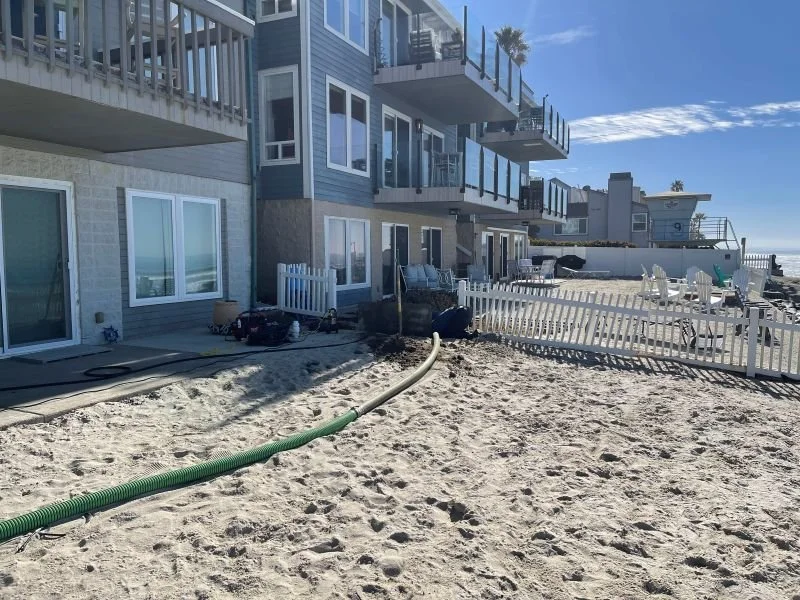
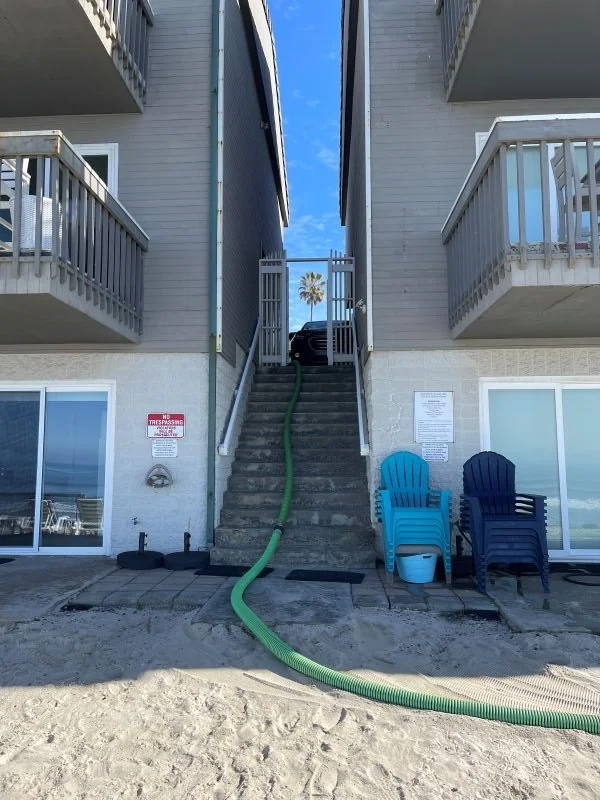
We are offering Septic Pumping Services in San Diego County. From La Mesa, El Cajon, Bonita, Santee, Alpine, Lake Side, and many more suburbs
RESIDENTIAL SEPTIC SERVICE AREA
SAN DIEGO COUNTY
WHAT TO LOOK OUT FOR WHEN IT COMES
TO SEPTIC TANK PUMP OUT?
Do you know where is your septic tank located?
Before septic tank pump out you should know your septic tank location. If you don’t know, here are some tips on how to find your septic tank.
House Plans or Records: If available, check your house plans or property records. They might indicate the septic tank's location.
As-Built Drawing: Contact the local health department or the septic system installer for an as-built drawing. It provides the exact location of the tank.
Visual Clues: Look for visual indicators such as manhole covers or inspection ports. They could be round or square lids usually made of plastic or concrete.
Follow the Plumbing: Trace the path of the main sewer line from your house to get an idea of where the tank might be buried.
Previous Service Records: If you've had the tank serviced before, the service provider might have noted the location. Review past maintenance records.
Professional Help: If you're unable to locate the tank, consider hiring a professional septic service provider. They often have tools like probes or electronic locators to find it accurately.
Do you know how to expose your septic tank lid?
Exposing your septic tank lid can be a bit of work. However, it is necessary for maintenance, septic pump out, and inspection. Here's a basic guide
Locating the Lid: Utilize the previously mentioned tips to locate your septic tank. Typically, it features 2 round or square covers made of plastic or concrete.
Gathering Tools: You'll require a shovel, a probe or metal rod, a crowbar or pry bar, a bucket, and possibly a hose.
Clearing the Area: Remove any debris or vegetation covering the lid. Be cautious not to damage nearby utilities or plumbing lines. Wear gloves and eye protection, and work cautiously to prevent injury.
Probing the Lid Edges: Gently use a probe or metal rod to outline the lid's edges. This helps determine its boundaries without causing damage.
Digging: Begin digging around the lid's edges with a shovel. Exercise caution to avoid harming the lid or any pipes.
Prying Open: After excavation around the lid, please wait for the Modern Septic Service team to arrive. We'll handle the lid opening for you.
Inspection: Be cautious after clearing the lid. Concrete and plastic lids may deteriorate over time and break under weight. Never step on them. Use a crowbar to tap the surface and check for solidity. Cease if it breaks or develops cracks. Measure the size and inform the Modern Septic Service Team to organize a lid replacement.
Securing the Dugout: Close up the excavation to prevent accidents. Ask the team to refill the hole after completing the septic tank pump-out."
Should you give instructions to the driver before arrival?
Always inform the septic tank driver about potential difficulties in accessing the septic tank on site, consider mentioning the following:
Terrain Obstacles: Describe any challenging terrain, such as steep slopes, uneven ground, or obstacles like rocks or trees that might hinder access.
Vegetation Cover: If the tank lid is obscured by dense vegetation, mention the need for clearing or trimming before accessing the lid.
Underground Utilities: Highlight the presence and location of any underground utilities or nearby pipes to prevent accidental damage during excavation.
Location Clarity: If the septic tank's exact location isn't clearly marked or known, communicate this to the driver, providing any guidance or information available to help them find it.
Access Space: Inform about limited access points, narrow pathways, or restricted space around the tank, which might impact maneuvering the pumping truck.
Lid Condition: If there are concerns about the lid's stability, such as cracks, decay, or potential fragility, alert the driver to exercise caution when working around it.
Safety Measures: Any specific safety precautions needed due to nearby hazards or conditions, like unstable ground, should also be communicated for the driver's awareness.